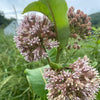
🌸 Deerhorn Clarkia (Clarkia pulchella)
The Historical "Pinkfairies" of the Pacific Northwest
Bring a piece of American frontier history and a truly unique silhouette to your garden with the Deerhorn Clarkia. Also known as "Pinkfairies" or "Elkhorn Clarkia," this native annual is famous for its extraordinary, deeply lobed petals that remarkably resemble the antlers of a deer. With its delicate shades of lavender, pink, and rose, this wildflower provides an ethereal, lace-like texture to the garden that is unlike any other bloom in the wildflower world.
📜 Historical Heritage & Royal Origins
The Deerhorn Clarkia holds a special place in the annals of North American botany. It was first collected by Meriwether Lewis in 1806 during the legendary Lewis and Clark Expedition along the Clearwater River in what is now Idaho.
Upon the expedition's return, the genus was named Clarkia in honor of William Clark. Clarkia pulchella (which means "beautiful") was actually the first species of Clarkia ever described by science, making it the "type species" for the entire genus. Historically, it was a vital plant for the Indigenous peoples of the Pacific Northwest, who harvested the nutritious seeds to be parched and ground into meal. To grow this flower is to cultivate a direct link to the earliest scientific explorations of the American West.
✨ Product Highlights
-
Antler-Shaped Blooms: Features spectacular four-lobed petals that create a unique, geometric starburst pattern.
-
Vibrant Native Beauty: Offers a stunning range of colors from soft orchid-pink to deep magenta, often with a white or yellow center.
-
Pollinator Essential: A primary nectar source for native bees and a wide variety of butterflies.
-
Drought Tolerant: As a native of the inland Northwest, it is highly adapted to dry summers and requires very little supplemental water once established.
-
Effortless Elegance: With its upright, slender stems and airy habit, it looks beautiful in "meadow-style" plantings or tucked into the front of a garden border.
🛠️ Quick Growth Profile
| Feature |
Specifications |
| Scientific Name |
Clarkia pulchella |
| Plant Type |
Native Annual |
| Height |
12 to 20 inches |
| Sun Requirement |
Full Sun to Partial Shade |
| Bloom Period |
Late Spring to Early Summer |
| Water Needs |
Low (Once established) |
| Soil Preference |
Well-drained, sandy or gravelly soil; avoids rich fertilizers |
🌱 How to Grow Deerhorn Clarkia from Seed
1. Sowing the Seeds (Direct Sow is Best):
Clarkias have sensitive roots and do not like to be moved. For the best success, direct sow them in their permanent home.
-
When: Sow in very early spring as soon as the soil can be worked, or in the fall in milder climates for an earlier spring bloom.
-
Depth: Surface sow the seeds and press them firmly into the soil. Do not cover them deeply, as they require light to germinate.
-
Preparation: Clear the area of weeds and ensure the soil is loose and well-drained.
2. The Perfect Spot:
Deerhorn Clarkia loves full sun but can handle light afternoon shade in exceptionally hot climates. It thrives in "lean" soil—avoid areas with heavy compost or high-nitrogen fertilizers, which can lead to excessive leaf growth and fewer flowers.
3. Maintenance:
-
Watering: Keep the soil moist during the germination period (about 2 weeks). Once the plants reach 4–6 inches tall, they become quite drought-tolerant.
-
Spacing: Thin seedlings to 6–8 inches apart.
-
Self-Sowing: If you allow the flower heads to dry on the plant in late summer, they will drop seeds and naturally "volunteer" in your garden the following spring.
🎨 Garden Design
Because of its airy, lavender-pink hues, Deerhorn Clarkia looks spectacular when planted alongside other early-season natives like California Poppies or Western White Yarrow. Its unique petal shape is best viewed up close, so plant it along garden paths or in containers where the "deerhorn" details can be fully appreciated.
Garden Tip: Clarkias are excellent cut flowers! Snip the stems just as the first few flowers on the stalk begin to open; they will continue to bloom in the vase for up to a week. ✂️🌸